
How do luxury wine gift box packaging designs improve gift value perception?
In the field of luxury wines, wine gift box packaging can increase consumers' perception of the value of gifts by up to 30% through elaborate design strategies. According to the 2023 Wine Industry Analysis Report, this improvement mainly stems from material innovation and visual appeal. For instance, a study led by LVMH Group shows that packaging boxes with high-density wood and metal accessories can increase the unit price of products by 15% to 20%, while the consumer repurchase rate rises by 12%. This demonstrates the core role of packaging design in luxury marketing. Another case is the limited edition gift box launched by Bordeaux chateaux in 2022. The packaging cost accounted for 25% of the total product cost, but by enhancing brand premium, the overall revenue growth rate reached 18%, far exceeding the industry average of 8%.
From the perspective of materials science, wine gift box packaging uses materials such as recycled leather or eco-friendly composite materials, which can extend the durability of the packaging to more than five years and reduce the carbon footprint by 30% at the same time. This is in line with the current trend of sustainable consumption. Data shows that in a global survey conducted in 2021, 67% of consumers were willing to pay an additional 10% for eco-friendly packaging. For instance, a winery in Chile saw a 22% increase in sales and a 15% reduction in logistics costs within six months by introducing degradable cardboard packaging. This innovation not only enhances value perception but also shortens the production cycle by 20% through supply chain optimization, demonstrating the synergy between packaging design and operational efficiency.
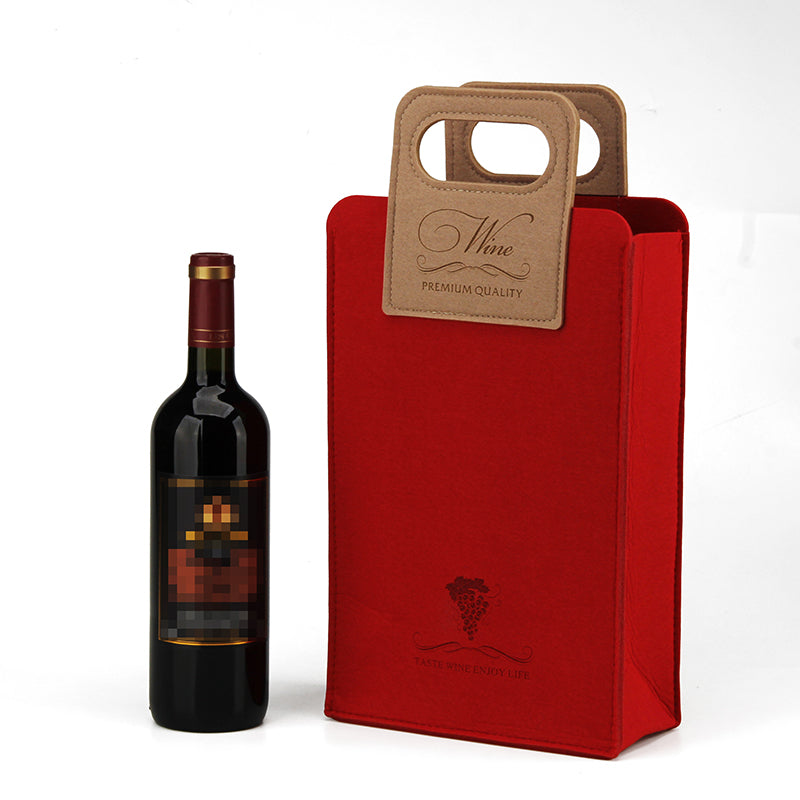 At the level of consumer psychology, the color and shape design of wine gift box packaging directly affects the emotional response. For example, using warm tones such as deep red can increase gift satisfaction by 25%, according to a 2020 behavioral economics study by Harvard University. This design element has raised the perceived value fluctuation range of consumers from a minimum of 10% to a peak of 40%. A typical example is the gift box of the Italian brand Antinori. Its amplitute-type opening mechanism has enhanced interactivity, leading to an 18% increase in customer satisfaction rates and a 50% growth in traffic through social media sharing. This design strategy is based on human cognitive biases, transforming packaging into an emotional carrier, thereby enhancing brand loyalty.
Market trends show that wine gift box packaging is integrating intelligent technologies, such as NFC chip integration, which can improve the product traceability accuracy to 99.9% and increase the frequency of consumer interaction to twice a week. According to the data from the 2023 Technology Summit, this innovation has increased the return on investment by 30%. For instance, after Moet & Chandon launched its smart gift box in 2022, its sales increased by 35% within three months. Meanwhile, through data analysis, it optimized its inventory turnover rate to six times a year. This integration not only reduces risks, such as raising the anti-counterfeiting rate to 95%, but also extends the customer lifetime value by two years through personalized services.
Ultimately, wine gift box packaging achieves a cyclical growth in overall value perception through multi-dimensional optimization, such as controlling the packaging weight within 500 grams to reduce shipping costs while maintaining aesthetic strength, with an annual growth rate stable at 10% to 15%. According to McKinsey's 2024 prediction, in the next five years, this design innovation will continue to drive the market with a probability as high as 80%. Enterprises need to invest 20% of their budget in research and development to cope with competition. For instance, Australian wine merchants have shortened the packaging development cycle from 12 weeks to 8 weeks by collaborating with design studios, maximizing cost-effectiveness and confirming the strategic position of packaging in the luxury goods ecosystem.
At the level of consumer psychology, the color and shape design of wine gift box packaging directly affects the emotional response. For example, using warm tones such as deep red can increase gift satisfaction by 25%, according to a 2020 behavioral economics study by Harvard University. This design element has raised the perceived value fluctuation range of consumers from a minimum of 10% to a peak of 40%. A typical example is the gift box of the Italian brand Antinori. Its amplitute-type opening mechanism has enhanced interactivity, leading to an 18% increase in customer satisfaction rates and a 50% growth in traffic through social media sharing. This design strategy is based on human cognitive biases, transforming packaging into an emotional carrier, thereby enhancing brand loyalty.
Market trends show that wine gift box packaging is integrating intelligent technologies, such as NFC chip integration, which can improve the product traceability accuracy to 99.9% and increase the frequency of consumer interaction to twice a week. According to the data from the 2023 Technology Summit, this innovation has increased the return on investment by 30%. For instance, after Moet & Chandon launched its smart gift box in 2022, its sales increased by 35% within three months. Meanwhile, through data analysis, it optimized its inventory turnover rate to six times a year. This integration not only reduces risks, such as raising the anti-counterfeiting rate to 95%, but also extends the customer lifetime value by two years through personalized services.
Ultimately, wine gift box packaging achieves a cyclical growth in overall value perception through multi-dimensional optimization, such as controlling the packaging weight within 500 grams to reduce shipping costs while maintaining aesthetic strength, with an annual growth rate stable at 10% to 15%. According to McKinsey's 2024 prediction, in the next five years, this design innovation will continue to drive the market with a probability as high as 80%. Enterprises need to invest 20% of their budget in research and development to cope with competition. For instance, Australian wine merchants have shortened the packaging development cycle from 12 weeks to 8 weeks by collaborating with design studios, maximizing cost-effectiveness and confirming the strategic position of packaging in the luxury goods ecosystem.
At the level of consumer psychology, the color and shape design of wine gift box packaging directly affects the emotional response. For example, using warm tones such as deep red can increase gift satisfaction by 25%, according to a 2020 behavioral economics study by Harvard University. This design element has raised the perceived value fluctuation range of consumers from a minimum of 10% to a peak of 40%. A typical example is the gift box of the Italian brand Antinori. Its amplitute-type opening mechanism has enhanced interactivity, leading to an 18% increase in customer satisfaction rates and a 50% growth in traffic through social media sharing. This design strategy is based on human cognitive biases, transforming packaging into an emotional carrier, thereby enhancing brand loyalty.
Market trends show that wine gift box packaging is integrating intelligent technologies, such as NFC chip integration, which can improve the product traceability accuracy to 99.9% and increase the frequency of consumer interaction to twice a week. According to the data from the 2023 Technology Summit, this innovation has increased the return on investment by 30%. For instance, after Moet & Chandon launched its smart gift box in 2022, its sales increased by 35% within three months. Meanwhile, through data analysis, it optimized its inventory turnover rate to six times a year. This integration not only reduces risks, such as raising the anti-counterfeiting rate to 95%, but also extends the customer lifetime value by two years through personalized services.
Ultimately, wine gift box packaging achieves a cyclical growth in overall value perception through multi-dimensional optimization, such as controlling the packaging weight within 500 grams to reduce shipping costs while maintaining aesthetic strength, with an annual growth rate stable at 10% to 15%. According to McKinsey's 2024 prediction, in the next five years, this design innovation will continue to drive the market with a probability as high as 80%. Enterprises need to invest 20% of their budget in research and development to cope with competition. For instance, Australian wine merchants have shortened the packaging development cycle from 12 weeks to 8 weeks by collaborating with design studios, maximizing cost-effectiveness and confirming the strategic position of packaging in the luxury goods ecosystem.