
How to Choose the Right Packaging Bag Suppliers for Your Business?
When choosing a suitable packaging bag supplier, enterprises should first assess the supplier's production capacity and quality system. According to a 2023 survey of 500 manufacturing enterprises worldwide, choosing suppliers that have passed the ISO 9001 quality management system certification can reduce the product defect rate by 22% and increase the on-time delivery rate of orders to 98%. For instance, after the snack brand Three Squirrels optimized its supplier screening criteria in 2022, its packaging damage rate dropped from 5% to 1.5%, saving over 8 million yuan in after-sales costs annually. Data from the International Organization for Standardization shows that suppliers with BRC global packaging certification keep their production process errors within 3%, which is directly related to the supply chain risk management and product compliance of brand owners.
The technological innovation and R&D investment of suppliers are another core consideration. A research report by Smithers, a market analysis agency, shows that Packaging Bag Suppliers, which can provide high-barrier material solutions, can help food enterprises extend the shelf life of their products by 30% and keep the oxygen transmission rate below 5 cm³/m²·day. Take the coffee brand Nestle as an example. The nitrogen-filled preservation packaging bags it jointly developed with its suppliers have increased the retention of coffee flavor by 25% and its market share by 3%. A technical assessment indicates that if a supplier's annual R&D investment accounts for more than 5% of its sales, its new product development cycle can be shortened by 40%, which is crucial for brands to cope with rapidly changing market trends.
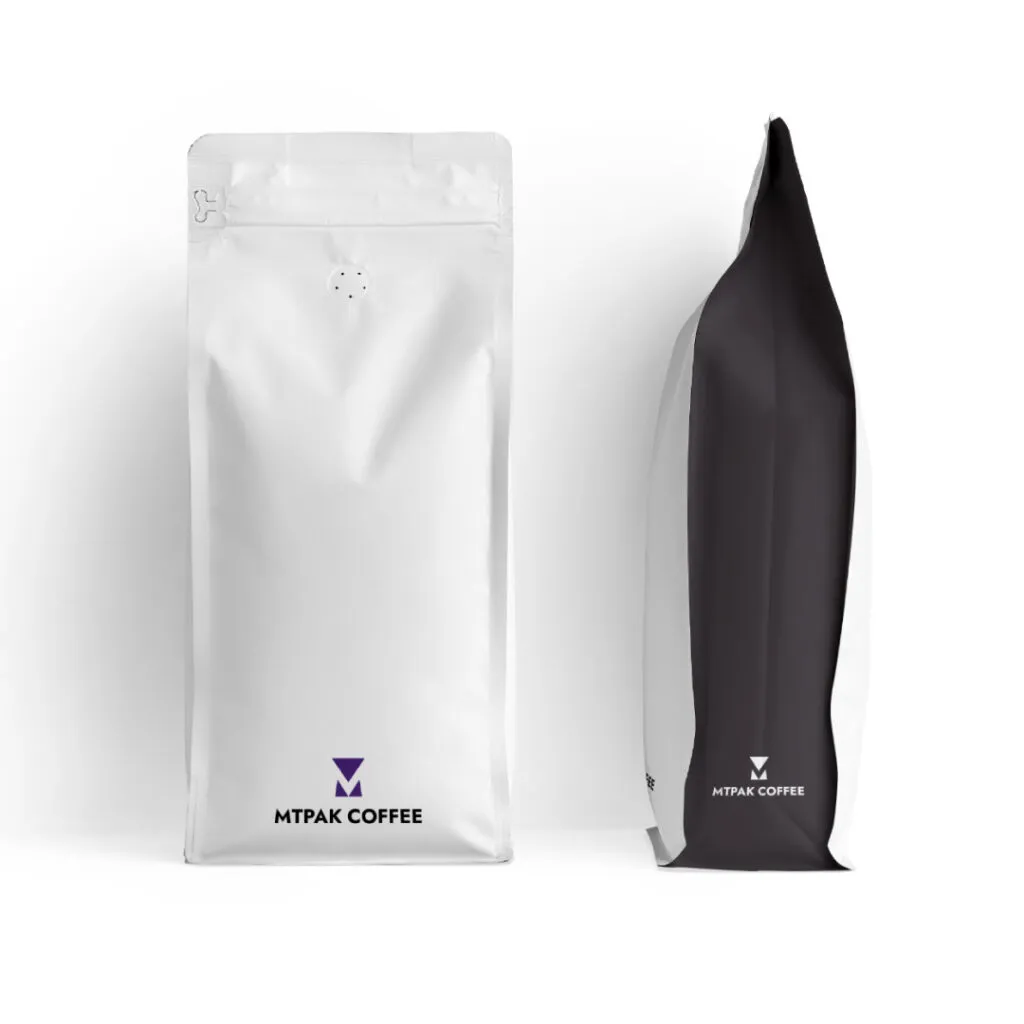 Sustainability compliance has become a key indicator for choosing suppliers. The EU's Packaging and Packaging Waste Regulation stipulates that by 2030, the content of recycled plastic in all packaging must reach 30%. Therefore, choosing suppliers that have invested in environmental protection technologies can reduce brand environmental risks. For instance, Amcor's single-material PE packaging bags can achieve 100% recyclability, with a carbon footprint 35% lower than that of traditional composite materials. According to the 2024 circular economy assessment, brands that use sustainable packaging have a 40% increase in consumer favorability and can avoid environmental fines of up to 4% of their annual turnover. Unilever's practice shows that working with suppliers certified to the GRS Global Recycling Standard has led to a net reduction of 200,000 tons in plastic usage.
Supply chain collaboration and response speed directly affect the operational efficiency of enterprises. Data from the MIT Supply Chain Research Center shows that by cooperating with Packaging Bag Suppliers within a 150-kilometer radius, logistics costs can be reduced by 18%, and the response time for urgent orders can be compressed from 7 days to 48 hours. Drawing on the supplier management model of JD Logistics, by establishing the VMI supplier management inventory system, the inventory turnover rate has increased by 25% and the probability of out-of-stock has decreased by 15%. Deloitte's analysis report emphasizes that by adopting smart suppliers with Internet of Things (iot) technology, the transparency rate of production data can reach up to 90%, enabling brand owners to accurately predict capacity fluctuations and keep the deviation of procurement budgets within ± 5%.
Sustainability compliance has become a key indicator for choosing suppliers. The EU's Packaging and Packaging Waste Regulation stipulates that by 2030, the content of recycled plastic in all packaging must reach 30%. Therefore, choosing suppliers that have invested in environmental protection technologies can reduce brand environmental risks. For instance, Amcor's single-material PE packaging bags can achieve 100% recyclability, with a carbon footprint 35% lower than that of traditional composite materials. According to the 2024 circular economy assessment, brands that use sustainable packaging have a 40% increase in consumer favorability and can avoid environmental fines of up to 4% of their annual turnover. Unilever's practice shows that working with suppliers certified to the GRS Global Recycling Standard has led to a net reduction of 200,000 tons in plastic usage.
Supply chain collaboration and response speed directly affect the operational efficiency of enterprises. Data from the MIT Supply Chain Research Center shows that by cooperating with Packaging Bag Suppliers within a 150-kilometer radius, logistics costs can be reduced by 18%, and the response time for urgent orders can be compressed from 7 days to 48 hours. Drawing on the supplier management model of JD Logistics, by establishing the VMI supplier management inventory system, the inventory turnover rate has increased by 25% and the probability of out-of-stock has decreased by 15%. Deloitte's analysis report emphasizes that by adopting smart suppliers with Internet of Things (iot) technology, the transparency rate of production data can reach up to 90%, enabling brand owners to accurately predict capacity fluctuations and keep the deviation of procurement budgets within ± 5%.
Sustainability compliance has become a key indicator for choosing suppliers. The EU's Packaging and Packaging Waste Regulation stipulates that by 2030, the content of recycled plastic in all packaging must reach 30%. Therefore, choosing suppliers that have invested in environmental protection technologies can reduce brand environmental risks. For instance, Amcor's single-material PE packaging bags can achieve 100% recyclability, with a carbon footprint 35% lower than that of traditional composite materials. According to the 2024 circular economy assessment, brands that use sustainable packaging have a 40% increase in consumer favorability and can avoid environmental fines of up to 4% of their annual turnover. Unilever's practice shows that working with suppliers certified to the GRS Global Recycling Standard has led to a net reduction of 200,000 tons in plastic usage.
Supply chain collaboration and response speed directly affect the operational efficiency of enterprises. Data from the MIT Supply Chain Research Center shows that by cooperating with Packaging Bag Suppliers within a 150-kilometer radius, logistics costs can be reduced by 18%, and the response time for urgent orders can be compressed from 7 days to 48 hours. Drawing on the supplier management model of JD Logistics, by establishing the VMI supplier management inventory system, the inventory turnover rate has increased by 25% and the probability of out-of-stock has decreased by 15%. Deloitte's analysis report emphasizes that by adopting smart suppliers with Internet of Things (iot) technology, the transparency rate of production data can reach up to 90%, enabling brand owners to accurately predict capacity fluctuations and keep the deviation of procurement budgets within ± 5%.